Modern Dating
How to Handle Rejection in Dating
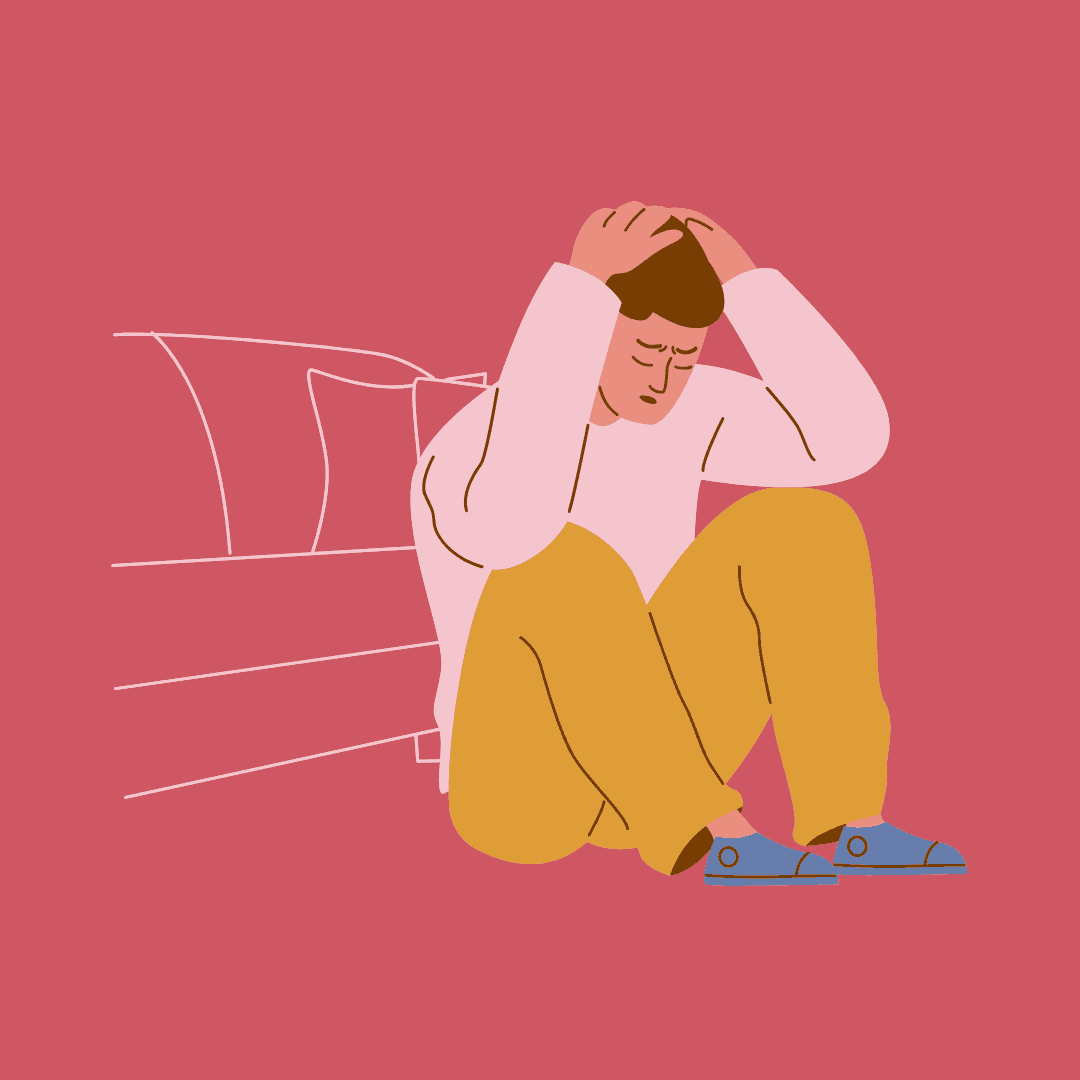
It's information, not a verdict.
Rejection hurts. Even when you repeat the mantra that it's "not personal," the sting is real. I remember being hurt after rejection, sometimes even when I wasn't that interested in the person. It felt like a pure ego game.
Eventually, I realized the sting wasn't a reflection of my worth. It was about fear: the fear of not being chosen. And the key to diffusing that pain? Realizing it's all about alignment.
Rejection is not proof that you're unlovable. It's just information. A sign that this specific connection wasn't meant to stay. And once you really absorb that, the whole experience shifts.
Here's the thing about dating: you are not applying for a job where there's one correct answer and you either pass or fail. You are two people figuring out, often clumsily, whether there's enough of the right stuff between you to keep going. Sometimes there isn't. That's not a failure of your character. It's just how it works.
Handling rejection with grace is one of the most quietly powerful skills in intentional dating. Here's how to process the pain and actually shift your perspective, not just pretend to.
1. Normalize and Honour the Feeling
It's okay to be human. You are not weak for caring, and you are not required to instantly "get over it." Rejection touches universal fears: of not being enough, of being left, of being seen and found lacking. Suppressing the pain doesn't make it go away. It just makes it louder later.
Give the feeling space. Acknowledge that it hurts. Sit with the disappointment for a moment before you rush to fix it, distract yourself, or immediately swipe to find a replacement.
There's a tendency, especially in modern dating culture, to treat emotional pain like a productivity problem and something to optimize your way out of. But grief, even small grief, needs to move through you. A rejection from someone you went on two dates with still counts. You're allowed to be briefly gutted by it.
2. Reframe the Story: It's About Fit, Not Worth
When a connection ends, the mind rushes to find a fault. I shouldn't have said that. I came on too strong. I need to be funnier, lighter, more interesting.
Stop the loop. Rejection does not mean something is wrong with you. It means that person didn't find what they were looking for, in this moment, with you. That's a statement about fit, not about your intrinsic worth.
Think of it this way: if you love mountains and someone loves the coast, neither of you is wrong. You're just oriented differently. Emotional and relational compatibility works the same way. Someone who wants casual, low-stakes fun is not going to be a great match for someone who dates with long-term intent and that mismatch isn't a character flaw on either side.
The rejection is the mismatch surfacing. That's actually useful.
3. The Alignment Check: Clarity Is a Gift
If someone walks away because they want something different, whether that's a casual setup when you want commitment, a different pace, or they're simply not in a place to invest. It is clarity, not failure.
The wrong match saying "no" makes essential room for the right match to eventually say "yes." Be grateful for the honesty, however much it stings in the moment. You just saved yourself weeks or months in a situationship that was never going to become what you wanted.
This is harder when the rejection isn't clean. When someone fades out, goes quiet, or gives you the "I'm just really busy" non-answer. Ambiguous endings are genuinely harder to process because you don't get the closure of a clear reason. But the outcome is the same: they're not showing up the way you need them to. That's information too.
That's the whole idea behind Meant2Bae, matching on alignment first, so the connections that do happen actually mean something.
4. When It Stings Deeper: Examine the Underlying Story
If every rejection, however minor, leaves you spiraling, the rejection itself probably isn't the whole story.
Ask yourself what the rejection is actually activating underneath the surface:
"I'm too much."
"I'll always end up alone."
"I'm never the one people choose."
These aren't thoughts about the person who just rejected you. They're older, quieter beliefs that were already sitting there, waiting for evidence. The rejection just gave them something to point to.
This doesn't mean you need to spend years in therapy before you're allowed to date. It just means the work isn't always about dating strategy. Sometimes the more useful question is: where did that story come from, and is it actually true?
Understanding your worth independent of whether someone swipes right, texts back, is actually healthy.
5. The Self-Trust Shift
Confidence in dating isn't about never getting rejected. That's not a realistic goal, and chasing it leads to people playing it so safe they never actually connect with anyone.
Confidence is about trusting that you'll be okay when you do get rejected.
You can handle disappointment without rewriting your entire self-image. You can hold both the disappointment that it didn't work out and the clarity about what it means. Not every "almost" was supposed to become an "always."
The more you practice moving through rejection without it derailing you, the less scary it becomes to put yourself out there. That's not armour, it's the result of actually knowing yourself well enough to know that one person's "no" isn't the final word on you.
Conclusion: Exactly Enough
You will be too much for some people. Too intense, too opinionated, too ambitious, too quiet or too something. That's a fact of life, and it's fine.
But for the right person, the one whose values, pace, and capacity align with yours, you'll be exactly enough.
Rejection is a mirror. Sometimes it shows you where you still need to do some work. More often, it simply shows you who isn't meant for you. Process it, feel it, and then move forward.
Because rejection doesn't mean the end of your story. It just means this chapter wasn't supposed to be your love story.
Meant2Bae is for people who date with self-awareness.
FAQs
Why does rejection hurt so much, even from someone I barely knew? Because rejection rarely stays in the moment. It tends to tap into older fears about not being chosen or not being enough. The intensity of the sting often has less to do with the specific person and more to do with what the rejection feels like it confirms.
How do I stop taking rejection personally? Start by separating worth from fit. Rejection usually says something about compatibility or timing, not about your value as a person. Two people can both be great and still be wrong for each other. The more clearly you hold that, the less each rejection feels like a referendum on you.
How long does it take to get over rejection? It varies — and that's normal. A rejection after two dates might sting for a day or two. A deeper connection that doesn't work out can take weeks. The mistake is measuring your recovery time against some imaginary standard. Feel it for as long as you feel it, then re-engage when you're ready.
What if I keep getting rejected and it's affecting my confidence? Worth looking at whether there's a pattern. Sometimes repeated rejection is about compatibility fit — you might be pursuing people who aren't aligned with what you actually want. Sometimes it's about how you're showing up early on. And sometimes it's just the nature of dating, which has a lot of randomness in it. Consistent, serious hits to your confidence are worth unpacking, ideally with someone you trust.
Is it okay to ask someone why they rejected you? Generally, no — at least not immediately. People rarely give fully honest answers, and putting them on the spot creates an awkward dynamic that usually doesn't give you the closure you're looking for. The more useful question to sit with is your own read of how it went.