Modern Dating
Dating App Burnout and How to Date Without Losing Your Mind
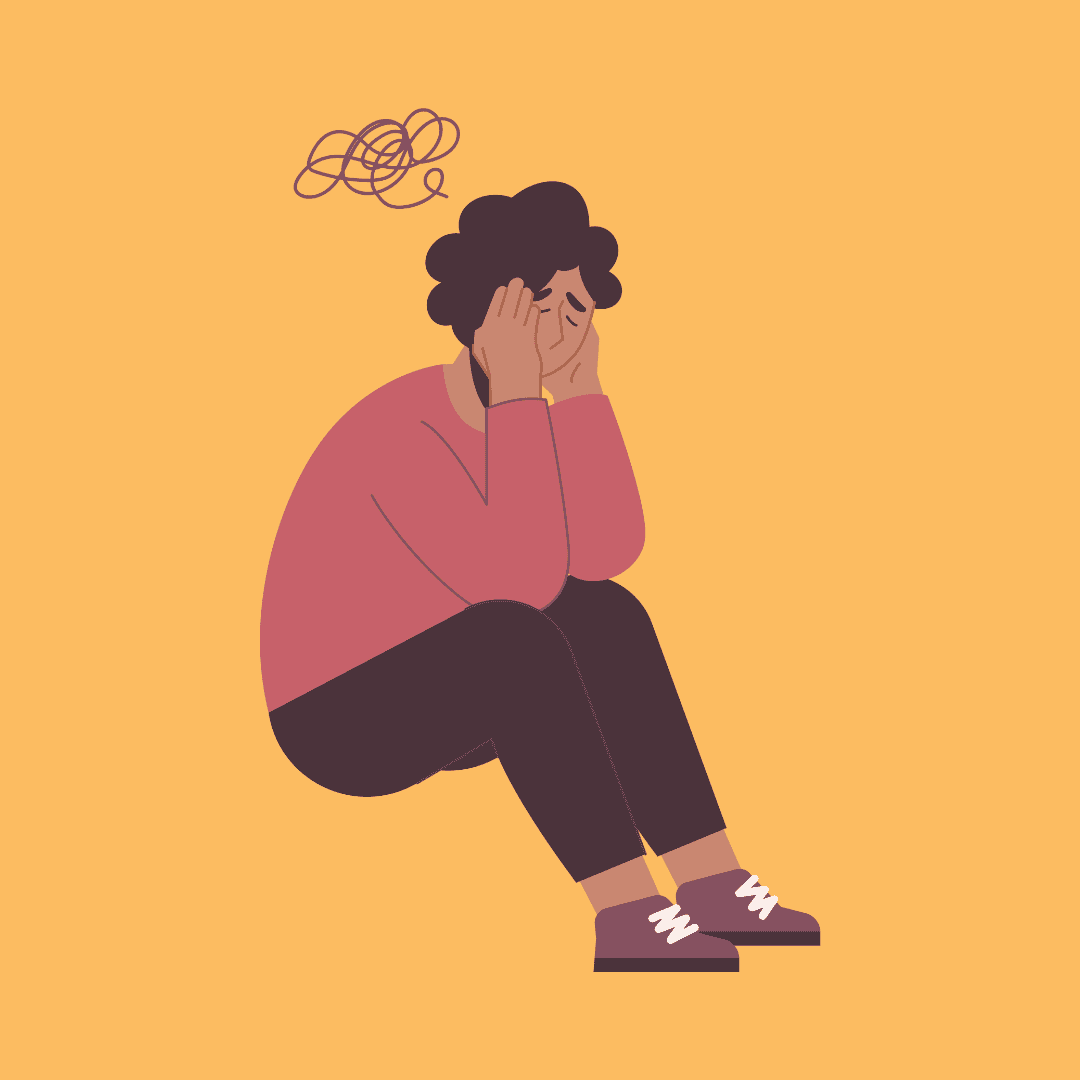
If swiping through Hinge gives you the same low-grade anxiety as a 9 AM Monday calendar invite, you haven’t lost your "spark." You’ve just hit the limit of how many strangers you can pitch your personality to in a single week.
You open Hinge out of habit more than hope. You match with someone, carry a perfectly fine conversation for three days, and then both of you quietly lose interest before anyone suggests actually meeting. You go on a date that’s fine, genuinely fine, and come home feeling oddly emptier than when you left.
That’s dating app burnout. And if you’re an urban professional in your late 20s or 30s with a full life and limited emotional bandwidth, there’s a good chance you’ve been there. A 2025 study found that 79% of dating app users report some form of emotional fatigue from online dating.
The apps aren’t broken, exactly. They’re just not built for what you actually want. Here’s why you’re exhausted, and what to do about it.
Why the Apps Are Draining You
You’re Making Too Many Micro-Decisions
Every swipe is a decision. Every opener is a small creative investment. Every match creates an obligation — respond, be engaging, escalate, schedule. Multiply that by the ten conversations you’re half-managing at any given time, and you’ve essentially taken on a part-time job with no salary and a wildly inconsistent ROI.
Decision fatigue is real. By the time you’ve swiped through forty profiles on a Tuesday evening, your brain has made roughly the same number of judgement calls it made in your last three work meetings. And then you wonder why you feel nothing on the actual date.
You’re Being Evaluated Constantly and So Is Everyone Else
Apps turn people into products. You’re being assessed on your photos, your bio, your opening line, your response time. So is everyone you’re talking to. The result is that nobody is really showing up. Everyone is performing.
The exhausting part isn’t the rejection. It’s the performance itself. If you already spend your days being ‘on’ at work, having to do it again in your personal life, for strangers, with uncertain outcomes is genuinely depleting.
The Paradox of Too Many Options
More options should mean better outcomes. In practice, the opposite happens. When you can always swipe to the next person, nobody gets a fair shot. You give people less benefit of the doubt, make faster judgements, and second-guess every choice because the illusion of something better is always one swipe away.
You’re not getting pickier. You’re getting more fatigued. Those are different things, but they feel identical from the inside.
You’re not bad at dating. You’re burned out from performing for an audience that has unlimited other options and a very short attention span. This is exactly why we built Meant2Bae.
Signs You’ve Actually Hit the Wall
Not all burnout looks the same. Some of it is loud, you delete every app in a fit of frustration. Most of it is quieter:
You open the app and feel nothing. Not excitement, not dread. Just nothing.
Matching with someone feels like another thing on your to-do list.
You’re going on dates but you’ve already decided it won’t work before the food arrives.
You’re giving people less time, less benefit of the doubt, less patience than you used to.
You feel worse about yourself after 30 minutes of swiping than you did before.
If three or more of those are true, you’re not in a dating slump. You’re burned out. And pushing through it harder is not the answer.
What to Actually Do
Take a Real Break — From a Place of Choice, Not Defeat
Delete the apps for 3–4 weeks. Not because dating is broken, but because you need to remember what it feels like to want it. Most people take breaks reactively — after a bad date or a painful ghost. Take one proactively, while things are just dull rather than actively awful. You’ll come back with a different energy.
Ruthlessly Cut Your Volume
When you come back, two active conversations maximum. Move to a call or a real plan within a week, or let it go. Stop maintaining a pipeline of twenty half-conversations you have no intention of following through on. It’s not kind to them, and it’s not useful to you.
This is the core of intentional dating —moving away from 'volume' and toward high-value connections.
Change What You’re Measuring
Match count is a vanity metric. The only question worth asking at the end of a week: did I have one conversation that felt genuinely curious and alive? One date where I was actually present? One interaction where I wasn’t performing?
One real thing beats twenty surface-level things every time. You already know this. The apps are designed to make you forget it.
Set Hard Boundaries Around When You Use Them
No apps after 9 PM. No swiping before your morning coffee is finished. No checking for notifications mid-conversation with someone you actually like. Time-box it. Treat it like email, not like a slot machine you keep returning to in case something changed.
Burnout is not a sign you should stop looking for someone. It’s a sign you should stop looking like this.
The Deeper Issue
Dating app burnout is largely a symptom of a format problem. Everyone is on the same platform, but nobody is playing the same game: some people want something real, others are there for the validation, and most are somewhere unclear in between. You have no way of knowing which until you’ve already invested.
We’ve written about this more in Why Are Dating Apps So Exhausting? — worth a read if you want to go deeper on the structural side of it.
Why Meant2Bae Exists
We built Meant2Bae because the exhaustion shouldn’t be the default. It’s not an inevitable part of dating, it’s a consequence of a format that was never designed to help you find a real relationship.
Everyone who comes to us is vetted for intent. Not for a specific type or lifestyle, but for genuine readiness. You’re not going to match with someone who’s ‘just seeing what’s out there.’ The ambiguity problem is solved before you even meet.
Dating should feel like something you want to do, not something you endure. If you’ve forgotten what that feels like, it might be time to try a different way.
Less swiping. More intention. That’s the whole idea.